Presence Protects: Why Increasing Neighborhood Patrols Makes Central Safer
Updated: May 19
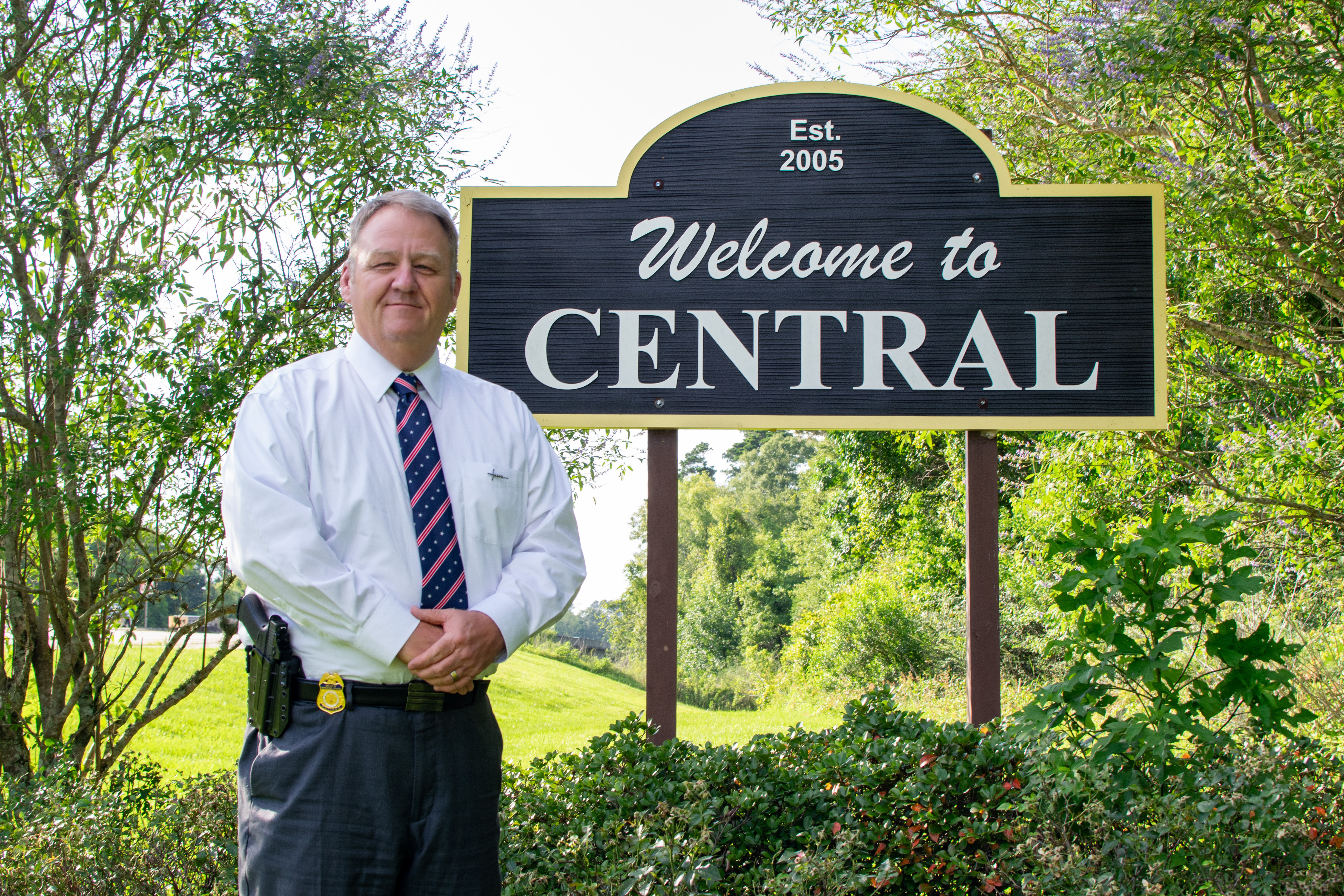
As Chief of Police, I will increase police visibility in neighborhoods. We are a part of the neighborhood. We live here. We shop here. We worship here. Our families grow up here. Our kids make friends here.
Marked patrol cars should not simply drive through a subdivision with the windows up and the lights off. They should represent something more meaningful. They should represent a department that knows its community and is known in return. Ask yourself, how many of our police officers do you know personally?
Under my leadership, visibility will mean:
Officers who stop to talk with residents, not just drive past them.
Patrols that focus on neighborhoods, not just major roadways.
Intentional community engagement, even during routine patrol.
A culture that values relationships as much as enforcement.
Authority will always be a necessary part of policing. There will be times when the law must be enforced decisively and without hesitation. We will stand on business. But authority alone does not create trust. Authority alone does not prevent crime. Authority alone does not build a community. Relationships do.
When officers know the people they serve, and the people know their officers, communication improves. Cooperation increases. Problems are solved before they become crises. That is the heart of community policing.
Just as God, with all authority, chose relationship over force, we should follow that same model in our service to others. The badge carries authority, but the person behind it must carry compassion, humility, and a willingness to connect.
The research supports what many of us in law enforcement have learned through experience. Studies show that even a single positive interaction with a uniformed officer can significantly increase public trust and a willingness to cooperate. When people trust their police, they are more likely to report crimes, share information, and help solve problems in their neighborhoods. Some communities that have invested in visible, relationship-based policing have seen meaningful reductions in violent crime. On the other hand, purely aggressive or authoritarian tactics often produce smaller results and can damage public trust. The lesson is simple: you cannot police a community effectively without the community’s help. A visible police presence, combined with genuine engagement, sends a clear message:
We are here. We care. And we are part of this community, just like you.
That is the kind of police department I will lead.
Visible. Approachable. Relationship -driven. FAITH DRIVEN - LEADERSHIP PROVEN - READY DAY ONE
Comments